Crochet Up North Hat: Easy Free Pattern for Beginners
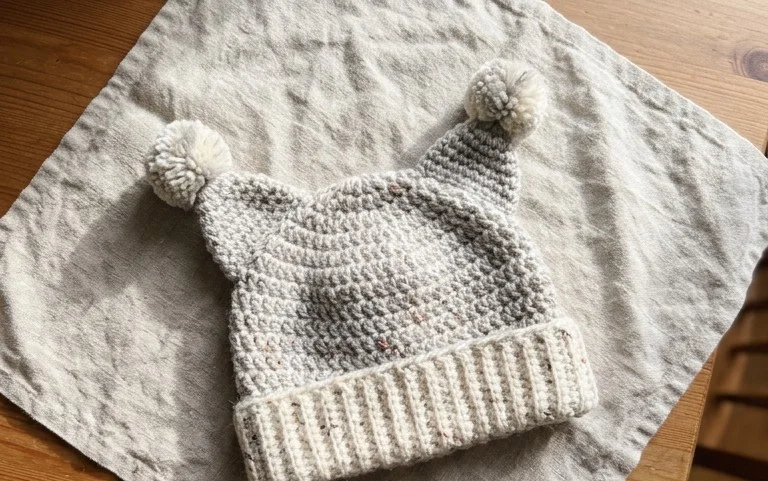
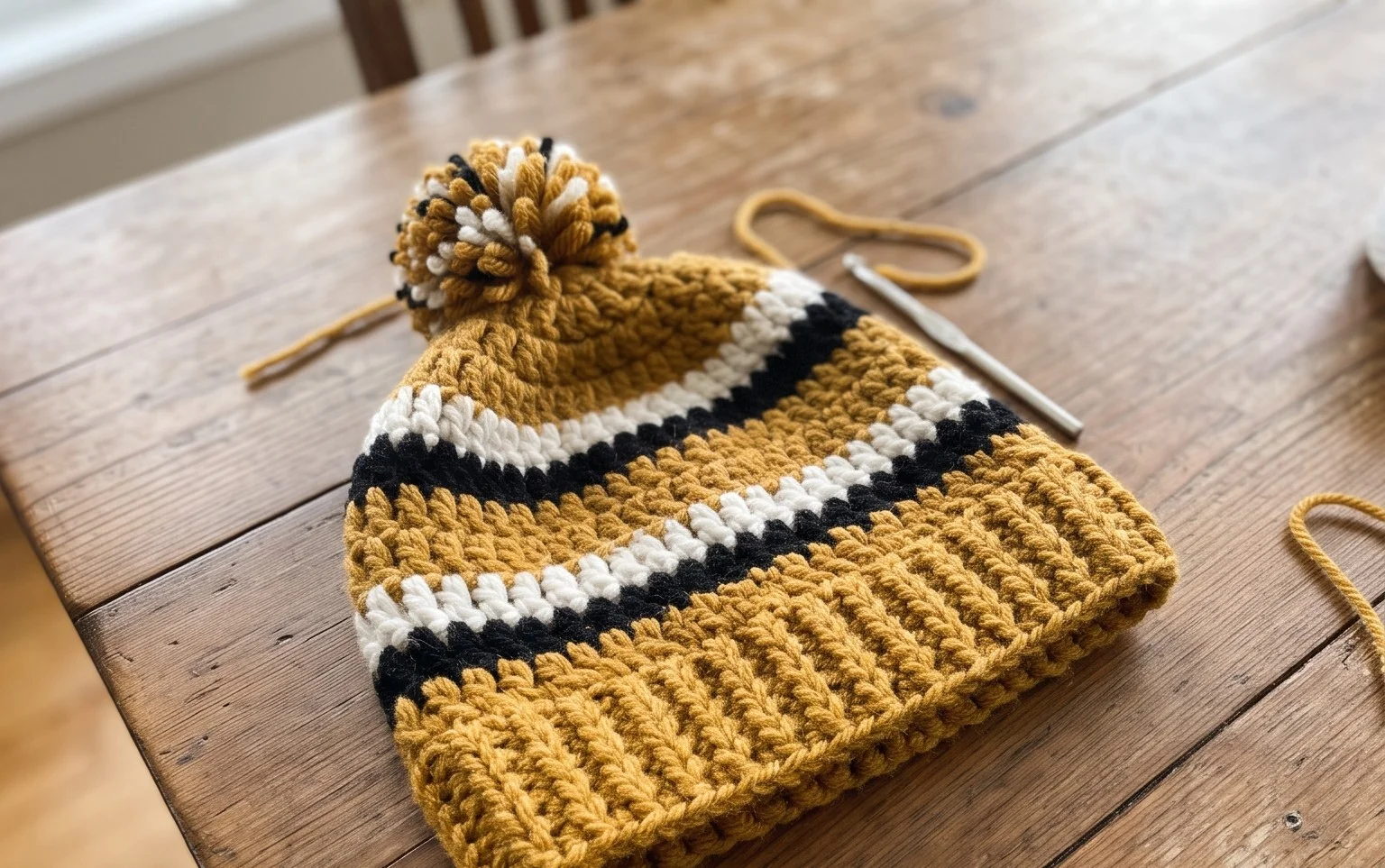
A thick brim and a snug fit define this cold-weather accessory, crafted to keep you warm during brisk morning walks. This project uses a combination of basic stitches to create a dense, wind-resistant fabric that mimics the appearance of hand-knit headwear. Beginners appreciate the clear stitch count, while experienced makers enjoy how quickly this hat works up during a quiet weekend afternoon. You will learn to work in the round using simple techniques that ensure your hat holds its shape without stretching out over time. It is a reliable addition to your winter wardrobe or a thoughtful gift for someone special.
Why This Project Is Worth Making
This classic crochet dishcloth pattern relies on the moss stitch to create a dense, squishy fabric that excels at scrubbing dishes. The pattern works up quickly, making it an excellent choice for using up cotton yarn scraps that might otherwise sit in your stash. Because it uses only basic chains and single crochets, it remains a relaxing, meditative project that you can finish while listening to a podcast or watching television. The finished cloth holds its shape well through repeated washings and provides a slightly abrasive texture that helps clean stubborn messes without scratching delicate cookware.
I managed to finish three of these in one afternoon. They have become my go-to gift for housewarmings because they actually work better than store-bought sponges.
— Sarah, home crafter
Pattern Overview & Skill Level
- Skill Level: Beginner
- Approximate Time: 45–60 minutes per cloth
- Construction: Worked in flat rows, back and forth, starting with a foundation chain.
- Finished Dimensions & Sizing: 8 inches by 8 inches square.
Materials & Supplies Needed
- Yarn: Worsted weight (#4) 100% cotton yarn, approximately 60 yards per dishcloth.
- Hook Size: 5.0 mm (H-8).
- Notions: Tapestry needle for weaving in ends, scissors.
- Safe yarn substitutions: You may use a cotton-linen blend for increased durability, though this may result in a slightly stiffer fabric. Avoid acrylic yarns, as they are not absorbent and will not withstand high-heat washing.
Stitch Guide & Abbreviations (US Terms)
- ch: chain
- st(s): stitch(es)
- sc: single crochet
- sk: skip
- sp: space
- Moss Stitch: A repeating pattern of single crochet and chain stitches, specifically (sc, ch 1, skip 1).
Step-by-Step Pattern Instructions
Dishcloth Body
- Foundation: Ch 32.
- Row 1: Sc in the 4th ch from the hook, *ch 1, sk 1, sc in next ch; repeat from * until the end of the row. (16 sc, 15 ch-1 sps).
- Row 2: Ch 2, turn. Sc in the first ch-1 space, *ch 1, sk 1 sc, sc in next ch-1 space; repeat from * to the end, ending with a sc in the turning chain space. (16 sc, 15 ch-1 sps).
- Rows 3–30: Repeat Row 2 until the piece measures approximately 8 inches from the starting edge.
- Finishing: Fasten off, leaving a 6-inch tail. Use the tapestry needle to weave the tail securely back into the fabric.
Care & Washing Instructions
- Machine wash in warm water (up to 140°F) with like colors to prevent dye transfer.
- Tumble dry on low heat or lay flat on a clean towel to retain the square shape.
- Avoid using fabric softener, as it leaves a waxy coating on cotton fibers that reduces the absorbency of the dishcloth.
Pro Tips & Common Mistakes to Avoid
Maintaining consistent tension is the most important factor in keeping your dishcloth square; if your edges look uneven, try going down half a hook size. Always place a stitch marker in the first chain-space of each row so you know exactly where to place your final stitch, preventing the common mistake of accidentally decreasing the row count. When weaving in your ends, carry the tail through the center of the stitches for at least two inches to ensure it does not unravel after several cycles in the washing machine. If you wish to make a larger dishcloth, simply increase your foundation chain by any even number, which will require an extra 10–15 yards of yarn.
Frequently Asked Questions
Can I use a different yarn weight for this pattern?
Using a lighter weight yarn will result in a much smaller dishcloth, while a heavier weight yarn will create a bulky, stiff fabric that is difficult to use. It is best to stick to medium-weight cotton to ensure the item remains flexible and absorbent.
Is this project suitable for a complete beginner?
Yes, this is an ideal first project. It requires only the most basic stitches and teaches you how to maintain consistent tension while turning your work, which is a fundamental skill for more complex patterns.
Can I sell the finished dishcloths at craft fairs?
You are welcome to sell items made from this pattern as long as you do not sell the pattern itself. It is standard practice to include credit to the designer on your product tags or listing descriptions.
Why is my dishcloth curling at the edges?
Curling usually happens when your tension is too tight or your hook size is too small for the yarn weight. Ensure you are not pulling the yarn tight after each stitch, and consider using a slightly larger hook if the fabric feels too dense or board-like.
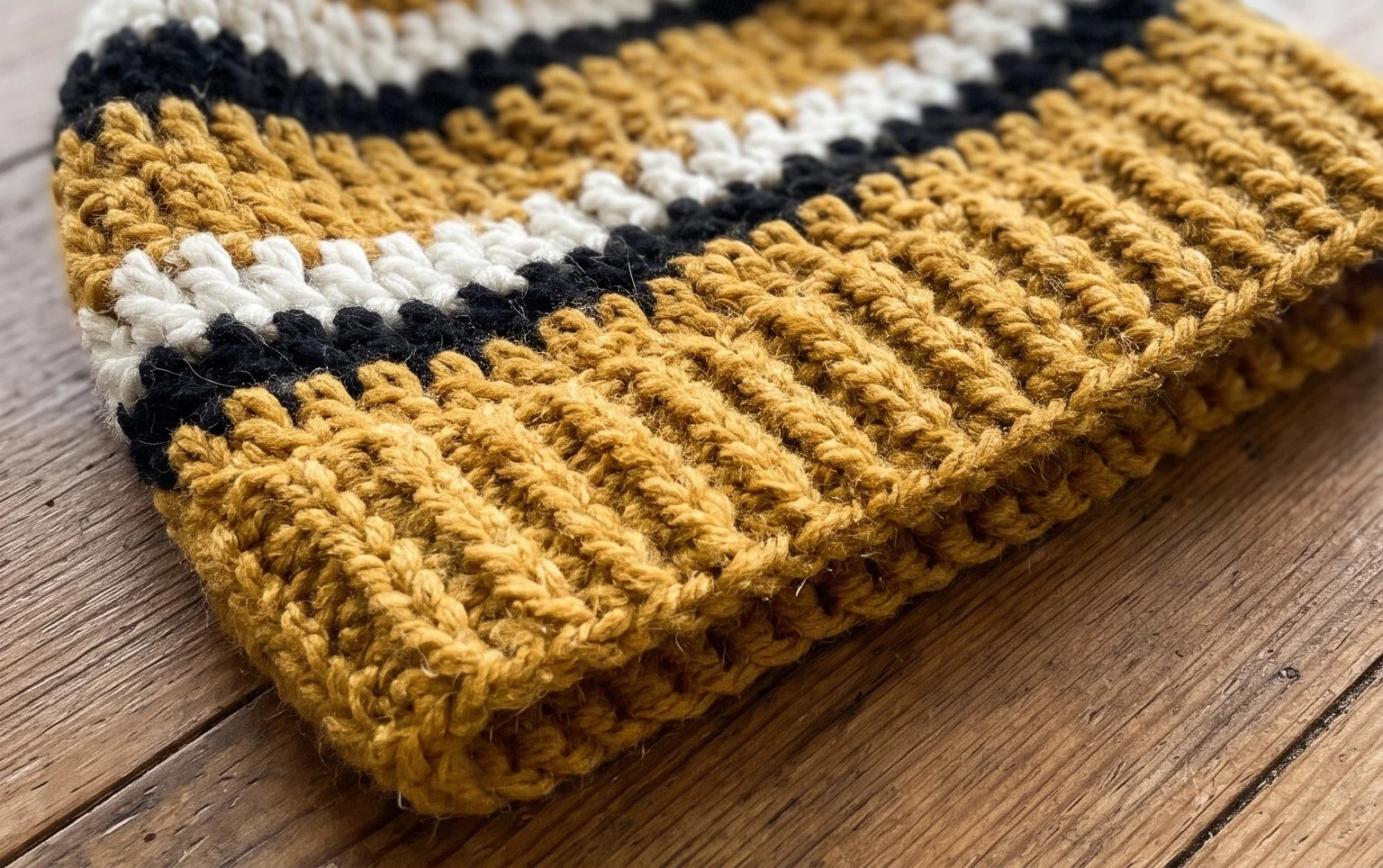
Your finished hat brings a layer of comfort to the coldest days, shielding your ears from the winter chill. You can customize the look by using a self-striping yarn or adding a large faux fur pompom to the top for a classic winter style. Sharing a photo of your work helps other crafters see how different colors turn out. Visit the rest of the blog to find more free projects for your next afternoon project. There is always a new skill to practice with every new handmade item.