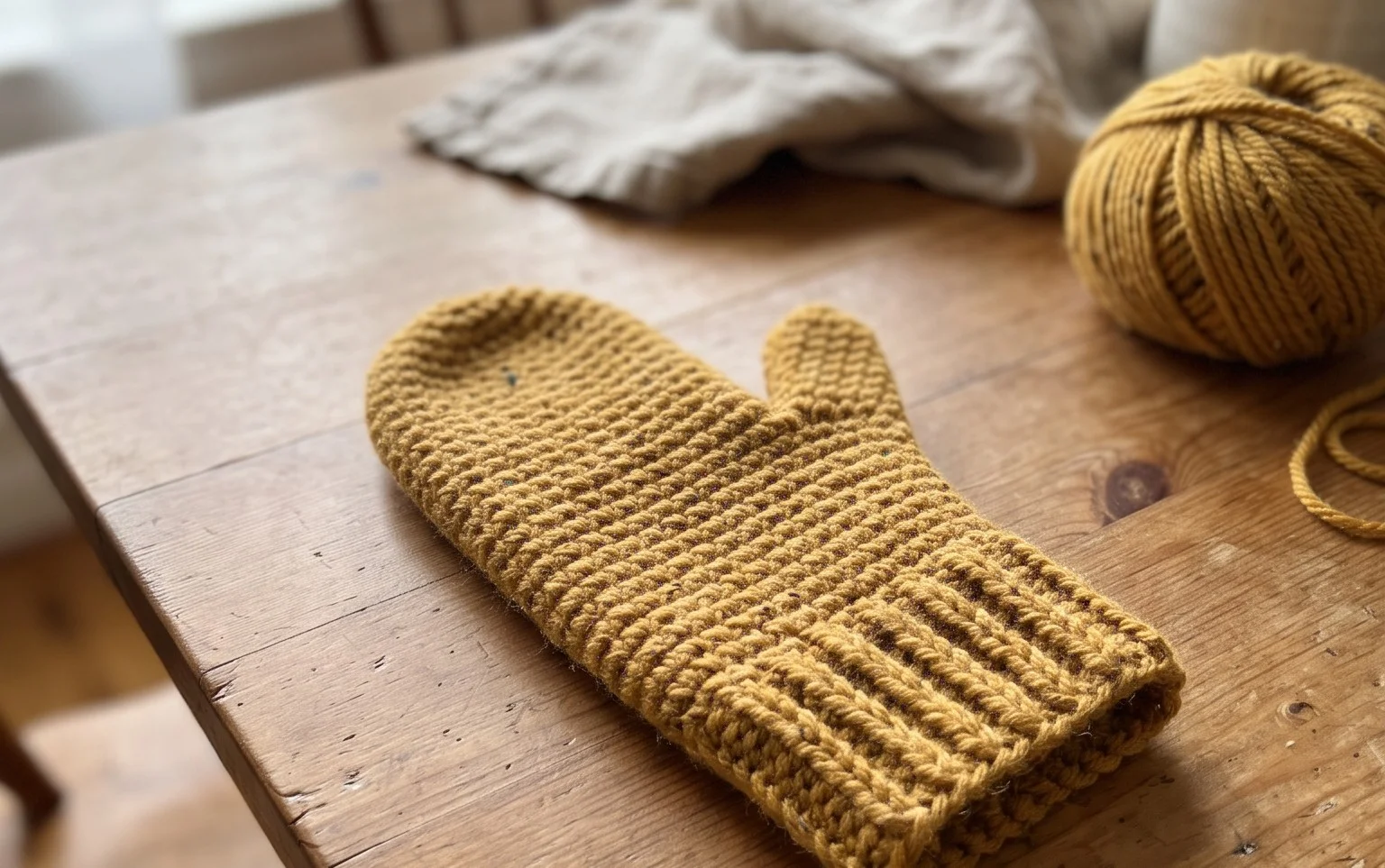
Free One-Piece Slippers Knitting Pattern for Beginners
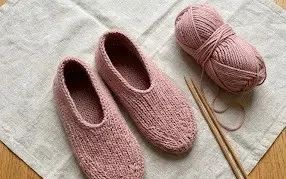
Soft yarn and a simple one-piece shape make these slippers a satisfying project to work up for quiet evenings at home. The finished pair has a snug, cozy feel and a clean look, with construction that keeps the pieces together rather than asking you to sew several sections into shape. If you are new to crochet, the repeated rows give you room to practice even tension and count stitches as you go. Experienced makers can enjoy a useful project that comes together without a long list of finishing tasks. These slippers also make a thoughtful handmade gift, especially when you choose a color the recipient wears often. In the pattern, you will see how the basic stitch repeat builds the fabric and how careful shaping turns it into a wearable pair. A video can help you follow the construction at your own pace.
Why You’ll Love This Pattern
This cotton crochet dishcloth is made in simple single-crochet rows, so the fabric is sturdy, easy to count, and useful at the sink. Its plain shape makes it a good first project for practicing even tension without managing increases, decreases, or seaming. One ball of worsted cotton is usually enough, and the finished cloth works well as a small handmade gift.
The steady row repeat is relaxing once you get started. You can also pause after any row and pick the work back up without needing to remember a complicated sequence. Keep a marker on the right side if you want to track which face is facing you.
The rows were easy to follow, and I liked having a useful project to practice keeping my edges straight. Mine came out soft after washing.
— Sample maker, beginner crocheter
Pattern Overview & Skill Level
- Skill Level: Beginner. You need to know how to chain and single crochet.
- Approximate Time: 3–5 hours, depending on your pace and how often you stop to check the edges.
- Construction: A flat rectangle worked in back-and-forth rows from the bottom edge. There is no shaping or seaming.
- Finished Dimensions & Sizing: About 8 × 8 in (20 × 20 cm) after washing and drying flat, using the gauge below. Cotton and individual tension can change the final measurements.
Materials & Supplies Needed
- Yarn: About 85 yd (78 m) of worsted-weight cotton yarn, also labeled medium weight or #4. Choose one color, or use leftover cotton in a single shade. Cotton is absorbent and handles frequent washing well.
- Hook Size: 4.5 mm / 7 (use the metric size if your hook does not have a US letter). If your fabric feels stiff, try a 5.0 mm / H-8 hook; if it feels loose and holey, try a 4.0 mm / G-6.
- Notions: Tapestry needle for weaving in the two ends, scissors, and a ruler or tape measure. A removable stitch marker is optional for marking the right side.
- Gauge: 19 single crochet stitches and 19 rows measure 4 × 4 in (10 × 10 cm) after washing and drying flat. Adjust your hook size to approach this gauge.
- Substitutions: A cotton-linen blend can make a slightly drapier cloth and may soften with use. Another worsted cotton brand is also suitable; check your gauge because a different yarn or hook can change the finished size and yardage. Avoid acrylic if you want a highly absorbent dishcloth.
Stitch Guide & Abbreviations (US Terms)
- ch: Chain.
- sc: Single crochet. Insert the hook into the indicated stitch, yarn over, pull up a loop, yarn over again, and pull through both loops on the hook.
- st(s): Stitch or stitches.
- turn: Turn the work so you can crochet back across the row you just made.
The turning chain does not count as a stitch in this pattern. Work the first single crochet into the first stitch at the edge of each row, not into the turning chain. This keeps the stitch count consistent.
Step-by-Step Pattern Instructions
Dishcloth
Make a loose foundation chain so the lower edge does not pull inward. If your chain is much tighter than your single crochet rows, remake it with a larger hook, then switch back to the listed hook for the cloth.
- Foundation: Ch 39.
- Row 1: Sc in the second ch from the hook and in each ch across. Turn. (38 sts)
- Row 2: Ch 1, sc in each st across, working the last sc into the final stitch at the edge. Turn. (38 sts)
- Rows 3–38: Repeat Row 2. At the end of Row 38, fasten off, leaving a tail about 6 in (15 cm) long. (38 sts each row)
Finishing
Thread the tail onto a tapestry needle and weave it through the backs of several stitches along the edge. Change direction once, then trim the yarn close without cutting into the fabric. Weave in the foundation tail the same way. Wash and dry the cloth flat before measuring; this relaxes the cotton and gives a more accurate finished size.
Care & Washing Instructions
- Wash cotton dishcloths in warm water, around 40°C (104°F), with similar colors; use the yarn label’s directions if they differ.
- Dry flat or tumble dry on low if the yarn label allows it; reshape the edges while damp.
- After washing, smooth the cloth back to an even square and let it finish drying flat. Blocking is usually unnecessary for a dishcloth.
Pro Tips & Common Mistakes to Avoid
- Keep a relaxed grip: Tight single crochet can make the cloth stiff and smaller than expected. If the hook is difficult to move through the loops, loosen your tension or go up one hook size.
- Count the edge stitches: Check that each row has 38 stitches, especially the first few rows. A removable marker in the first stitch can help you see where the row begins and prevent accidentally skipping the final stitch.
- Hide ends securely: Weave each end through the backs of stitches, then change direction. Do not leave a short tail at the surface, where repeated washing can work it loose.
- Adjust size carefully: Add or remove foundation chains to change the width, and work more or fewer rows to change the length. Each added stitch or row uses more yarn; a larger cloth may need a second ball.
Frequently Asked Questions
Can I use a different cotton yarn?
Yes. Choose a similar worsted-weight cotton and make a small gauge swatch first. If your stitches are larger than 19 stitches across 4 in, try a smaller hook; if they are smaller, try a larger hook. A different yarn can also change how much yardage you need.
How can I make the dishcloth larger or smaller?
For a wider cloth, add chains to the foundation, then work one fewer single crochet than the number of chains. For a longer cloth, add rows after Row 38. Measure as you go, since changing yarn or tension affects the dimensions and total yarn used.
Is this pattern suitable for a first crochet project?
Yes. It uses only chains and single crochet, with the same stitch count on every row. The main challenge is keeping 38 stitches in each row, so count before turning until the edges look even.
Can I sell dishcloths made from this pattern?
You can sell finished handmade items if the designer’s terms allow it. Check the pattern’s specific usage rules, and write your own product description and photographs rather than presenting the pattern itself as your work.
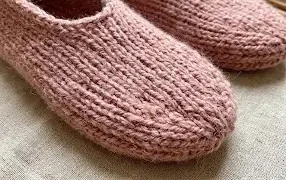
Once the last stitches are finished, you will have a cozy pair of handmade slippers ready to keep by the sofa or beside the bed. Try a second color for the cuff or choose a slightly softer yarn to change the feel, while checking your gauge so the fit stays comfortable. If you make a pair, share a photo on Pinterest or your favorite social platform; seeing different yarn choices and colors is part of the fun. You can also browse the blog for more free crochet patterns, including practical projects that use straightforward stitches and make thoughtful gifts.