Easy Crochet Elastic Stitch Dishcloth: Free Pattern
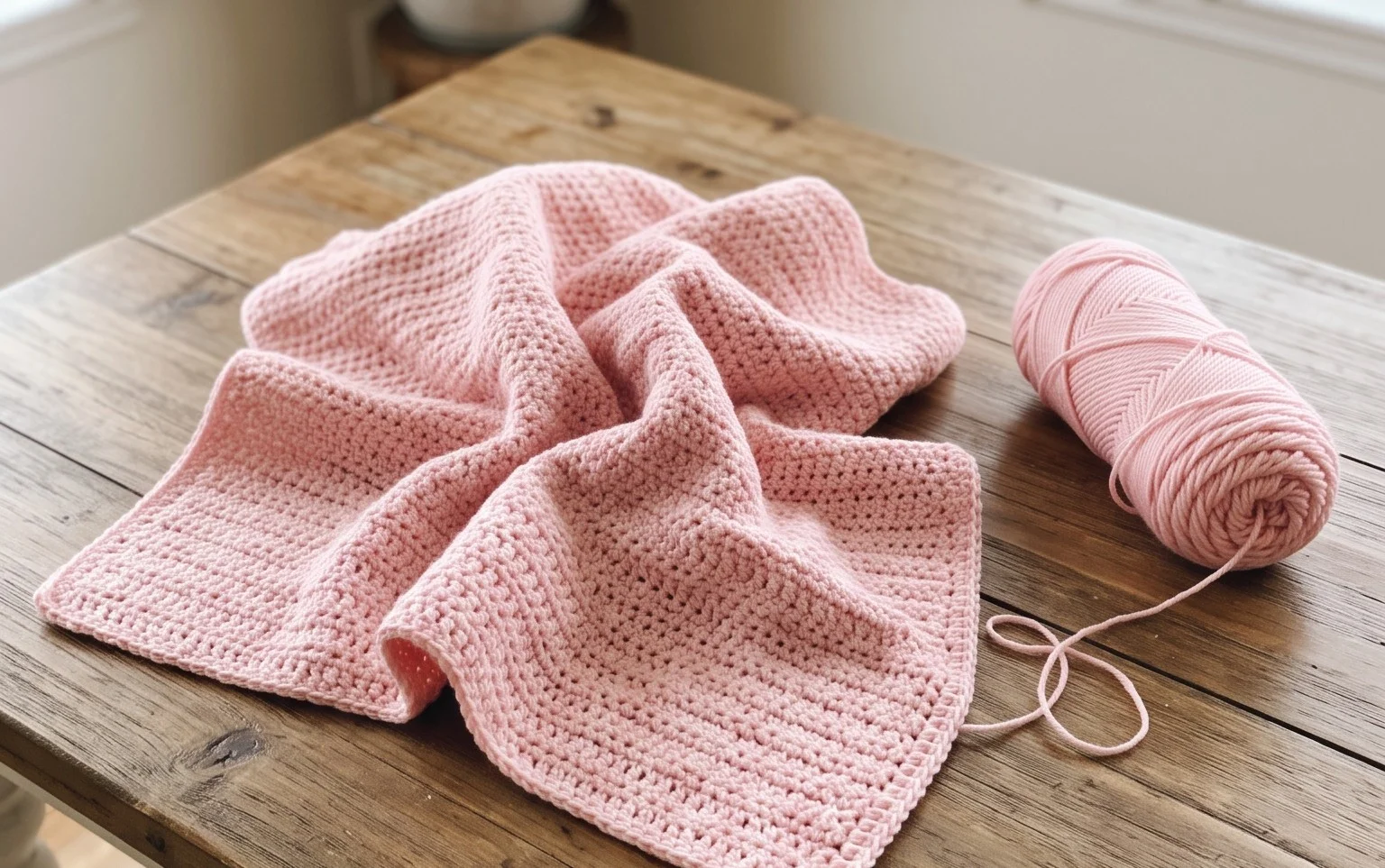
This simple dishcloth design creates a dense, scrubby surface that feels sturdy in your hands and stands up to heavy grease on your kitchen counters. Beginners find this project approachable because it relies on a repetitive sequence of stitches, providing a great way to build muscle memory without feeling overwhelmed by complex transitions. The resulting fabric is surprisingly thick, making it a reliable tool for cleaning or a thoughtful handmade gift for friends who appreciate functional home goods. You will learn how to alternate basic stitches to create a unique elastic effect that provides much more friction than flat alternatives.
Why This Project Is Worth Making
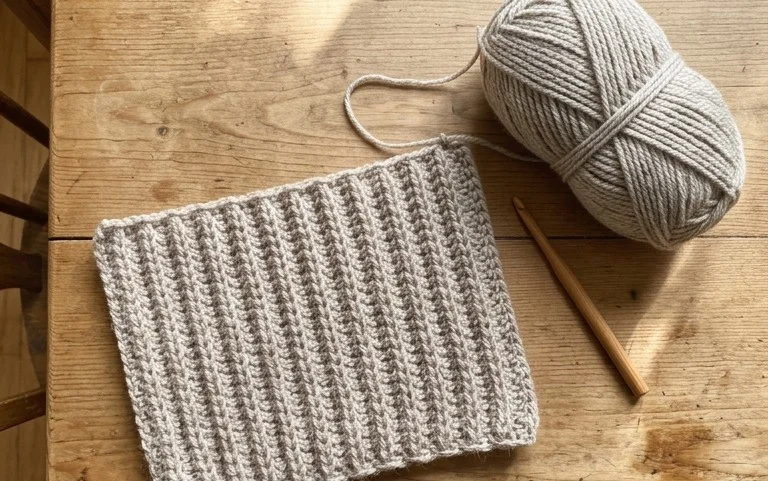
This classic crochet dishcloth pattern uses a combination of basic stitches to create a dense, textured fabric that excels at scrubbing surfaces. The ridge created by the stitches traps soap and debris, making it far more effective than smooth, flat-stitched alternatives. Because it uses only cotton yarn, it remains absorbent when wet and can withstand frequent high-temperature wash cycles without losing its shape or integrity. Crocheters gravitate toward this pattern because the rhythmic, repeating sequence is easy to memorize, allowing you to work on it during travel or while listening to a podcast. It is an ideal project for practicing uniform tension, as the cotton fiber does not stretch like wool or acrylic, which immediately highlights inconsistencies in your work.
I managed to finish three of these in a single afternoon while watching a movie. The texture is much scrubbier than a regular single crochet cloth and they have held up perfectly in the dishwasher top rack.
— Sarah, home crafter
Pattern Overview & Skill Level
- Skill Level: Beginner
- Approximate Time: 45 to 60 minutes per cloth
- Construction: Worked in flat rows back and forth
- Finished Dimensions & Sizing: 8 inches by 8 inches
Materials & Supplies Needed
- Yarn: Worsted weight (#4) 100% cotton yarn, approximately 50 yards per cloth.
- Hook Size: 5.0 mm (US H-8) crochet hook.
- Notions: Tapestry needle for weaving in ends, scissors, and an optional locking stitch marker to track the end of rows.
- Safe yarn substitutions: You may use a cotton-linen blend for increased durability, though this may make the fabric slightly stiffer. Avoid acrylic or wool yarns, as they do not possess the necessary absorbency or heat resistance required for kitchen cleaning tools.
Stitch Guide & Abbreviations (US Terms)
- ch = chain
- sc = single crochet: Insert hook into stitch, yarn over, pull up a loop, yarn over, pull through both loops on hook.
- dc = double crochet: Yarn over, insert hook into stitch, yarn over, pull up a loop, yarn over, pull through two loops, yarn over, pull through remaining two loops.
- st(s) = stitch(es)
- sl st = slip stitch: Insert hook into stitch, yarn over, pull through stitch and loop on hook.
- turn = turn your work to begin the next row.
Step-by-Step Pattern Instructions
This pattern is worked in rows. You will create a textured grid by alternating single crochet and double crochet stitches. The turning chain does not count as a stitch.
Foundation: Ch 31.
Row 1: Sc in the second ch from the hook and in each ch across. (30 sts)
Row 2: Ch 1, turn. *Sc in the next st, dc in the next st. Repeat from * across until 1 st remains. Sc in the last st. (30 sts)
Row 3: Ch 1, turn. Sc in each st across. (30 sts)
Rows 4 through 40: Repeat Rows 2 and 3. Ensure you maintain a consistent count of 30 stitches per row to keep the sides straight.
Finishing
Once you reach row 40, do not fasten off immediately. Work one final round of sc stitches evenly around the perimeter of the cloth, placing 3 sc in each corner to ensure the piece lays flat. When you reach the starting point, join with a sl st to the first sc, fasten off, and use the tapestry needle to weave the yarn tail securely into the back of the fabric.
Care & Washing Instructions
- Machine wash your cotton dishcloths in warm water at 104°F (40°C) with like colors.
- Tumble dry on low heat or lay flat on a clean towel to air dry completely, which prevents mildew buildup.
- If the cloth becomes misshapen after use, dampen it with water and pull the corners gently to block it back into a square shape before letting it dry.
Pro Tips & Common Mistakes to Avoid
Maintaining consistent tension is the most important factor in making a professional-looking dishcloth. If your stitches look uneven, try going down a half-size in your hook, or consciously keep your working yarn under consistent tension with your non-dominant hand. Use a stitch marker on the first stitch of every row to ensure you are not accidentally dropping stitches at the edges, which is a common error that causes the cloth to lose its square shape. Weave your ends in for at least two inches in alternating directions; this ensures they do not unravel when subjected to the high agitation of a washing machine. If you wish to make a larger or smaller version, simply adjust your starting chain to an odd number and add more or fewer rows until you reach your desired square dimensions.
Frequently Asked Questions
Can I use a different yarn weight for this pattern?
Yes, but changing the yarn weight will change the final size of the dishcloth. If you use a thinner yarn, you will need to increase your starting chain length to achieve the same 8-inch width.
Why are my edges looking uneven?
Uneven edges are usually caused by missing the first or last stitch of a row. Always count your stitches at the end of every row to ensure you have exactly 30 stitches before turning.
Is this project suitable for someone who has never crocheted before?
Yes, this is an excellent starter project. It uses only two basic stitches and requires no complex joining or shaping, allowing you to focus entirely on your hand movements.
Can I sell the dishcloths I make from this pattern?
You are welcome to sell finished items made from this pattern as long as you do not sell the pattern itself or use my photographs. Please include a link back to this tutorial if selling online.
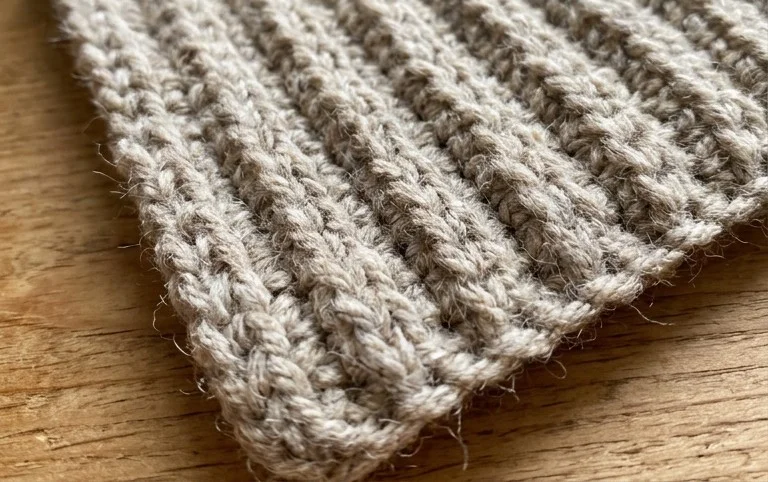
These textured cloths bring a functional touch to your kitchen sink that store-bought sponges just cannot match. You can experiment with different shades of cotton yarn, such as variegated blues or solids, to match your decor, or even increase your starting chain to craft a larger washcloth for the bath. If you enjoyed this project, consider snapping a photo of your finished work to show how it turned out. Check back here for more free patterns to fill your afternoon hours with rewarding work.