Easy Lace Crochet Cape Free Pattern with Video Tutorial
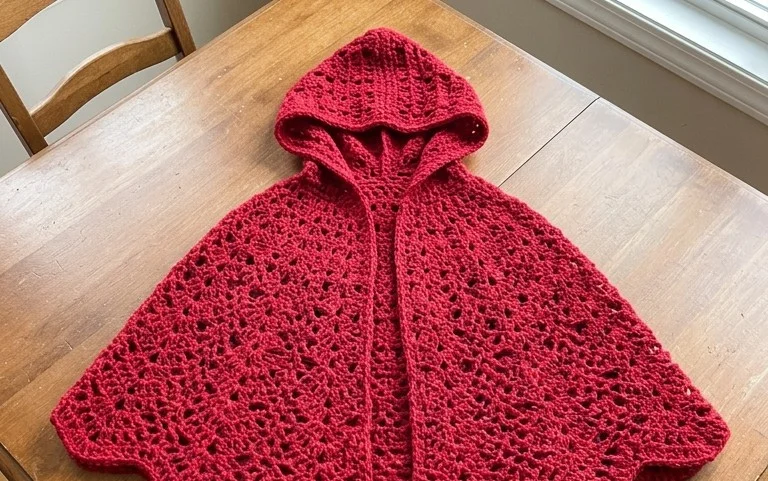
Open lace stitches give this crochet cape a light, flowing drape that sits comfortably over a top or dress. It has the soft, airy look of a handmade layer without feeling heavy, so you can wear it on a cool evening or keep it close for an indoor chill. The repeating stitch pattern makes the project approachable for beginners who know basic crochet, and the video can help you follow the rhythm as you work. Gift makers can choose a color that suits someone’s wardrobe, while anyone who enjoys wearable crochet gets a satisfying project with a clear visual result. In this pattern, you’ll learn how the lace repeat builds across the fabric and how to keep your edges even as the piece grows. Take your time with the first rows, then enjoy watching the openwork take shape.
Why You’ll Love This Pattern
A cotton dishcloth with a firm single-crochet fabric is handy at the sink, and the simple square shape makes this a comfortable project to pick up between other tasks. The pattern uses one stitch throughout, so you can focus on keeping your edges straight instead of learning a complicated repeat.
It is a useful way to use part of a ball of cotton yarn, and the finished cloth can be washed and used again. The plain texture is absorbent without leaving large gaps, while the small size makes it easy to finish in a few evenings. Make one for your own kitchen or pair a few with a bar of soap for a practical handmade gift.
The rows were easy to keep track of, and I had enough cotton left over to make a second cloth. Mine came out sturdy and useful for wiping the counter.
— Lena, home crocheter
Pattern Overview & Skill Level
- Skill Level: Beginner. This pattern uses a foundation chain and single crochet rows.
- Approximate Time: 3–5 hours, depending on your pace and how often you pause to check your stitches.
- Construction: Crochet a flat square in turned rows, then weave in the two yarn ends. There is no seaming or separate border.
- Finished Dimensions & Sizing: Approximately 8 × 8 inches (20 × 20 cm) when worked to gauge. Cotton can relax slightly after washing, so measure the swatch before deciding whether to adjust your hook.
Materials & Supplies Needed
- Yarn: About 70 yards (64 m) of medium-weight cotton yarn, also called worsted weight or #4. Choose one color, or use a different color for each cloth. Cotton is absorbent and tolerates regular washing.
- Hook Size: 5.0 mm / H-8 crochet hook. Use the hook that gives you the stated gauge; your hands may need a slightly larger or smaller hook.
- Notions: Tapestry needle for weaving in ends, scissors, and a ruler or tape measure. A stitch marker is optional for marking the first stitch of a row.
- Safe substitutions: A similar-weight cotton or cotton-linen blend can replace the cotton yarn. A linen blend may feel firmer before washing and soften with use. Avoid fuzzy yarns or yarns with long loops, which are harder to scrub with and may catch on kitchen items. Acrylic can be used for a decorative cloth, but it is less absorbent. A different yarn or hook can change the finished size and drape, so make a gauge swatch first.
Stitch Guide & Abbreviations (US Terms)
- ch: Chain. Yarn over and pull the yarn through the loop on the hook.
- sc: Single crochet. Insert the hook into the indicated stitch, yarn over and pull up a loop, then yarn over and pull through both loops on the hook.
- st: Stitch.
- sts: Stitches.
The turning chain does not count as a stitch. Work the first single crochet of each row into the first stitch, directly below the chain, and work the final stitch into the last stitch of the previous row. This keeps the square edges even.
Step-by-Step Pattern Instructions
Dishcloth
- Foundation: Make 31 ch. Keep the chain loose enough to insert the hook easily. (30 foundation stitches)
- Row 1: Sc in the second ch from the hook and in each ch across. Turn. (30 sts)
- Row 2: Ch 1, then sc in each stitch across. Turn. (30 sts)
- Rows 3–32: Repeat Row 2, working one sc into every stitch and turning at the end of each row. Each row has 30 sts.
After Row 32, the piece should measure close to 8 inches square. If it is noticeably shorter or longer, measure the height and width before fastening off. To finish, cut the yarn, leaving a tail of about 6 inches (15 cm), and pull the tail through the final loop. Thread it onto a tapestry needle and weave it through several stitches on the wrong side. Weave in the starting tail the same way. Trim the ends close without cutting the fabric.
If you want to check your work as you go, count the stitches after the first few rows. A missed stitch at an edge can make the cloth narrower, while an extra stitch can make it wider. Correcting the count early is easier than undoing many rows later.
Care & Washing Instructions
- Wash cotton cloths in warm water, up to 40°C (104°F), with similar colors; follow the yarn label if it gives a lower temperature.
- Tumble dry on low or lay flat to dry. Remove the cloth promptly if machine drying to limit creases.
- After washing, smooth the edges and reshape the square while damp; block only if the cloth needs extra help lying flat.
Pro Tips & Common Mistakes to Avoid
- Check your tension against the gauge of 15 single crochets and 16 rows per 4 inches (10 cm). If your swatch is too tight, try a larger hook; if it is too loose, try a smaller one. A dense cloth is useful, but overly tight stitches can make the fabric stiff.
- Count 30 stitches at the end of each row. Place a stitch marker in the first stitch if you tend to miss the last stitch at the turning edge. Move it up as you work.
- Keep the turning chain short and do not work into it. The first single crochet goes into the first stitch, which helps prevent the edge from gaining or losing stitches.
- For a larger cloth, add stitches to the foundation chain and add rows until the piece is square; each added foundation chain gives one more stitch across. A larger cloth takes more yarn, while making the piece smaller uses less. Estimate extra yarn before starting, since the amount depends on your final dimensions and tension.
Frequently Asked Questions
Can I use a different yarn instead of cotton?
Yes. A cotton-linen blend is a close substitute and may soften after washing. Acrylic works for a decorative cloth but absorbs less water than cotton. Match the yarn weight as closely as possible and make a swatch, because a different fiber can change the fabric’s size and feel.
How can I make the dishcloth smaller or larger?
For a smaller cloth, begin with fewer than 31 chains and work fewer rows. For a larger cloth, add chains and rows. Keep the piece square by measuring both sides, and allow extra yarn when increasing either dimension.
Is this pattern suitable for a first crochet project?
Yes, if you are comfortable making a chain and single crochet. The main challenge is keeping 30 stitches in every row. Check the count often during the first few rows, then continue at a steady pace.
May I sell dishcloths made from this pattern?
Check the designer’s terms before selling finished items, and follow any restrictions they give. If you sell your work, describe the fiber accurately and include care instructions so the buyer knows how to wash the cloth.
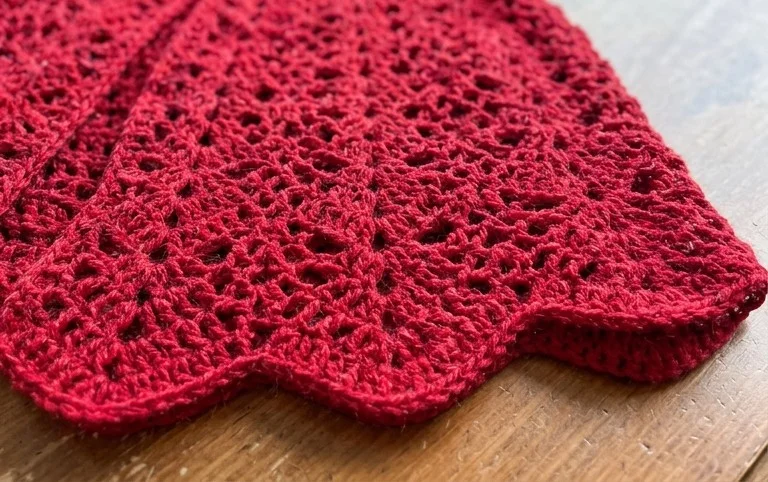
Once the last stitches are finished, you’ll have a light lace cape with an open texture and an easy drape that can add a handmade layer to an everyday outfit. For a simple variation, try a different yarn color to make the stitch pattern stand out, or choose a softer shade for a quieter look. Check the finished piece against your preferred fit before weaving in the ends, since a gentle block can help the lace settle into shape. If you make one, share a photo on Pinterest or your favorite social media page so other crocheters can see your color choice. Then browse the blog for more free crochet patterns to keep your hook busy.